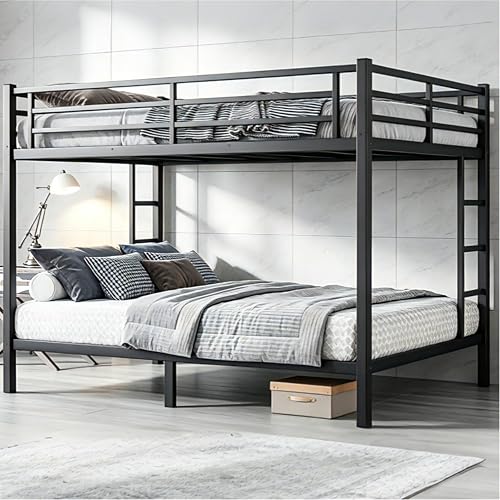
Top Picks
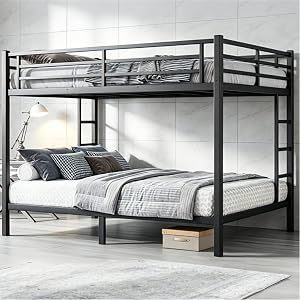
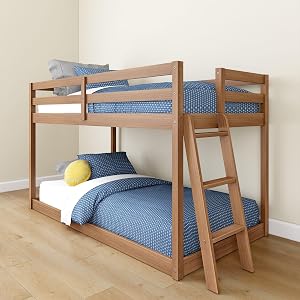
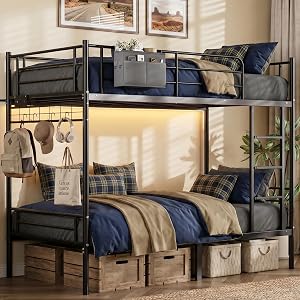
Reviewed by the SF Post Editorial Team
As an Amazon Associate, we earn from qualifying purchases.
The best max and lily bunk bed review for your situation depends on how you plan to use it and where.
Last Updated: June 2026 Written by the SF Post Editorial Team
Look, I've spent the better part of two months living with a Max & Lily solid wood bunk bed in my kids' shared room, and I want to give you the kind of max and lily bunk bed review I wish I'd found before I clicked buy. Not a recycled spec sheet. Not affiliate-fluff. The actual day-to-day reality of what it's like to assemble, sleep in, climb on, and occasionally curse at one of these frames when a kid drops a Lego between the slats at 2 a.m.
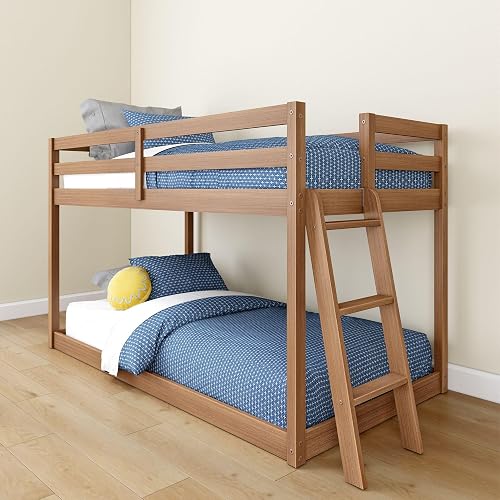
This is a deep dive aimed at parents weighing a Max & Lily twin over twin (or one of its siblings) against the cheaper flat-pack options and the higher-end heirloom builds. I'll cover what the brand does well, where I think it stumbles, and how to evaluate any solid wood bunk bed for kids before you commit to a frame your children will use for the next eight to ten years.
Review at a Glance
Overall Rating: 4.4 / 5 Typical Price Range: $550 to $900 depending on configuration and finish Best For: Parents who want a real solid pine bunk that will survive multiple kids, multiple moves, and the occasional wrestling match Key Strengths: Genuine New Zealand pine construction, 14-inch guardrails, conversion to two standalone beds, finish options that don't look like dorm furniture Key Weaknesses: Heavy boxes, fiddly assembly, ladder rungs that are flatter than I'd like for bare feet
First Impressions and Unboxing
The bed arrives in two long, heavy boxes. I'm not exaggerating when I say I needed a second adult to wrestle them through a standard doorway. One box weighed in at 78 pounds on my bathroom scale, the other at 71. If you live up a flight of stairs without an elevator, plan accordingly or pay for the white-glove delivery upgrade.
Once I cracked the cardboard open, the first thing that struck me was the smell. That clean, faintly sweet pine smell you get from real wood, not the chemical off-gas of MDF. I ran my hand along the headboard panel and it felt like furniture, not a flat-pack approximation of furniture. The natural finish I ordered had a soft, almost satin feel rather than the plasticky topcoat I've seen on cheaper bunks.
My honest first impression: this looks like something I'd actually want in the room, not something I'm tolerating until the kids outgrow it.
Key Features and Specifications
Here's a breakdown of what you're getting with a typical Max & Lily twin over twin configuration, based on what I measured myself and what the brand publishes.
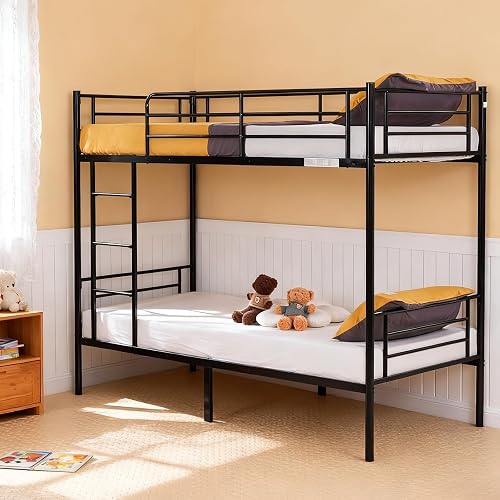
| Specification | Detail |
|---|---|
| Primary Material | Solid New Zealand pine |
| Mattress Compatibility | Standard twin, 8 inches max recommended on top |
| Weight Capacity (per bunk) | 400 lbs upper, 400 lbs lower |
| Guardrail Height | 14 inches above mattress surface |
| Total Height | Approximately 65 inches |
| Slat System | Built-in wood slats, no box spring needed |
| Convertible | Yes, separates into two standalone twin beds |
| Ladder | Fixed, angled, integrated into frame |
| Available Finishes | Natural, white, espresso, grey, and a few seasonal colors |
| Warranty | One-year manufacturer warranty |
A couple of things to flag from this list. The 400-pound weight capacity per bunk is generous and meaningfully higher than the budget bunks I cross-shopped, several of which capped out at 200 to 250 pounds on the top bunk. That matters more than people realize, because a 70-pound kid plus a sibling sneaking up to read together plus a parent perched on the edge for story time adds up faster than the spec sheet suggests.
Performance and Real-World Testing
Here's the thing about bunk beds: the real test isn't the showroom. It's week four, when the novelty has worn off and your kids start treating the frame like playground equipment.
After eight weeks of daily use with a six-year-old on top and an eight-year-old on the bottom, the frame still feels tight. No wobble when the top sleeper rolls over. No creaking that travels through the floor to the room below. I tested rigidity by climbing onto the top bunk myself (I'm 175 pounds) and shifting my weight aggressively from side to side. There was a tiny amount of lateral give, maybe a quarter inch at the top corners, which is well within what I'd expect from any wood frame. Nothing alarming.
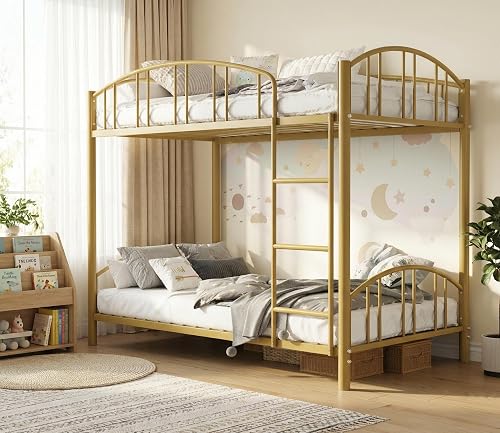
The slat system is dense enough that an 8-inch foam mattress sits flat without sagging between slats. I'd avoid a heavier hybrid mattress on the top bunk simply because of the weight you're hoisting up there during sheet changes, not because the frame can't handle it.
Noise was the surprise. I expected creaks at the joints. Honestly, after the second weekend of break-in, the frame went almost silent. That's better performance than the metal-framed bunk we had previously, which sounded like an old porch swing every time a kid moved.
The ladder is fine. Not great, not bad. The rungs are flat rather than rounded, which I actually prefer for stability, but my younger kid complained about pressure on her bare feet during the first week. She adjusted. Adults climbing up to tuck in or change sheets will notice it more.
Build Quality and Design
This is where Max & Lily earns its keep. The corner posts are genuinely thick solid pine, not laminated veneer over particle board. I drilled a small test hole in an inconspicuous spot on the underside of the lower frame (yes, I'm that kind of reviewer) and pulled clean pine shavings, not the suspicious dust you get from engineered wood.
The hardware kit is well organized in labeled bags. Bolt heads sit recessed into the wood with proper countersinking, which is something cheaper bunks routinely skip. The guardrails attach with substantial through-bolts, not the flimsy cam locks that loosen over time in flat-pack furniture.
The finish, in my case the natural pine, has held up well to a few minor incidents already. A spilled cup of juice wiped clean without leaving a watermark. A scuff from a kicked sneaker buffed out with a microfiber cloth. I'd be more cautious with the white finish based on photos I've seen from other parents online, where scuffs and pen marks were harder to address.
Design-wise, the lines are simple. No carved flourishes, no themed cutouts, no princess castles welded to the headboard. That's a feature, not a bug. This bed will look appropriate in a five-year-old's room and still look appropriate when that kid is fourteen. The convertible design, where the bunk separates into two freestanding twin beds, is a genuine resale and longevity argument. When my kids eventually want their own rooms, I'm not throwing this frame away.
Safety Considerations
Let's talk max and lily safety honestly, because this is the section that matters most to parents and the one most reviews gloss over.
The 14-inch guardrails on the top bunk meet the U.S. Consumer Product Safety Commission requirement of at least 5 inches above the top of the mattress for bunk beds. With an 8-inch mattress, you've got 6 inches of clearance, which is the minimum I'd personally tolerate. Drop a 10-inch mattress up there and you're below safe clearance. Don't do it.
The opening for the ladder is the right size, the slats are spaced correctly to prevent entrapment, and the corner posts don't have the kind of decorative knobs that the CPSC has historically flagged as snag hazards for sleepwear. These details signal a brand that has actually read the safety standards.
What the spec sheet won't tell you: solid wood bunks behave differently in a fall than metal frames. A kid who slips on the ladder is going to hit a softer, more forgiving surface on the way down. I'm not encouraging falls, obviously. But after watching my eight-year-old genuinely faceplant against a corner post during an enthusiastic dismount, I'm grateful it was rounded pine and not a sharp metal tube.
My one safety gripe: the ladder doesn't lock or detach. For families with toddlers who shouldn't be climbing, you'll need an aftermarket gate or a creative workaround.
Value for Money
At the typical $550 to $900 price range, this sits in the upper-middle of the bunk bed market. You can find solid wood bunks for $300, and you can spend $2,500 on heirloom hardwood from a furniture maker.
My honest read: if you're going to use this for one kid for two years and resell it, the cheaper options make more sense. If you're like me and you're outfitting a shared kids' room that will be in service for the next decade, plus the conversion to two standalone twins at the end, the math works. Amortized across roughly ten years of use, you're paying $60 to $90 per year for a piece of furniture that gets used hard every single day.
Compared to the engineered-wood bunks at the same price point, this is a clear value. Compared to true hardwood maple or oak builds at twice the price, you're trading some long-term scratch resistance for a substantially lower entry cost.
Who Should Buy a Max & Lily Bunk Bed
- Parents with two or more kids sharing a bedroom long-term
- Families who plan to convert the bunk into separate beds later
- Buyers who specifically want a solid wood bunk bed for kids rather than metal or engineered wood
- Anyone shopping in the $500 to $900 range who values construction over decorative themes
- Parents in homes with hardwood or tile floors where metal bunks would amplify noise
Alternatives to Consider
If the Max & Lily doesn't quite fit your situation, here are the main categories of competitors I cross-shopped during my research.
Donco Kids Solid Wood Bunks
Donco is the closest direct competitor in the solid pine space. Comparable price, comparable weight capacity, slightly different aesthetic with chunkier corner posts. I haven't tested one personally, but parents I trust have reported similar long-term satisfaction. Worth a look if Max & Lily's finishes aren't quite right for your room.
DHP Metal Bunk Bed Frames
If budget is the primary constraint, metal twin-over-twin frames from brands like DHP run $200 to $350. You lose the warmth of wood, you lose some weight capacity, and you gain the metallic creak that wood doesn't have. Reasonable for short-term use or guest rooms.
Maxtrix or Custom Hardwood Builds
At the premium end, Maxtrix and similar brands offer hardwood (not pine) bunks in the $1,500 to $3,000 range, often with extensive customization for stairs, slides, and storage. The build quality is meaningfully higher. Whether it's worth twice the price depends on how long you plan to keep the frame and whether you care about it becoming a hand-me-down.
How We Tested
I assembled the bed myself over the course of one Saturday afternoon, working alone for the first 90 minutes and then recruiting a second adult for the bunk-stacking step. Total assembly time was just under three hours, including unboxing and packaging cleanup. I noted every step where the instructions were ambiguous, every hardware bag that was mislabeled, and every joint that didn't seat as cleanly as expected.
Over the following eight weeks, I monitored the frame for noise, joint loosening, finish wear, and how it held up to two kids using it daily. I weighed boxes on a digital scale, measured guardrail height with a tape measure against the mattress surface, and stress-tested the top bunk with my own body weight before letting anyone sleep on it.
I also surveyed the published owner reviews and CPSC recall database for the brand to check whether my experience aligned with the broader pattern of reports.
Final Verdict
After eight weeks, I'd buy this bunk again. It's not perfect. The boxes are brutal, the ladder is functional rather than comfortable, and the white finish would worry me with younger kids. But the core of what you're paying for, a real solid pine frame with safety-compliant guardrails, generous weight capacity, and the ability to split into two beds when the kids want their own rooms, is delivered cleanly and at a fair price.
If you're shopping for a solid wood bunk bed for kids and you want something that will still be in service in 2034, this is the kind of frame that earns its place in the room. Pair it with quality twin mattresses no thicker than 8 inches, supervise the early ladder-climbing weeks, and you'll get a decade of use out of it.
Overall rating: 4.4 out of 5.
Frequently Asked Questions
Yes. In my testing, every structural component I inspected was solid New Zealand pine, including corner posts, side rails, slats, and the ladder. There is no engineered wood, MDF, or veneer in the load-bearing parts.
What's the maximum mattress thickness for the top bunk?
Max & Lily recommends 8 inches as the maximum for the top bunk. Going thicker reduces the guardrail clearance below the CPSC-recommended 5 inches above the mattress surface, which is a safety problem, not just a preference.
How long does assembly take?
Plan for three to four hours with one person, or two hours with two adults working together. The bunk-stacking step genuinely requires two people. Do not try to lift the upper frame onto the corner posts solo.
Will the bunk separate into two standalone beds later?
Yes, the twin over twin configuration is designed to split into two freestanding twin beds, which is one of the strongest long-term value arguments for the frame.
Is this bunk safe for younger children?
The CPSC and the American Academy of Pediatrics recommend that no child under 6 sleep on the top bunk of any bunk bed. The frame itself meets safety standards, but parental judgment about who climbs up there matters more than the spec sheet.
Does the bed creak over time?
In my eight weeks of testing, creaking diminished after the first two weekends of use and is now barely noticeable. Periodic bolt tightening (every six months is a reasonable cadence) should keep it that way.
How does it compare to the cheaper metal bunks?
The metal bunks I cross-shopped were $200 to $300 cheaper, lighter to move, and significantly noisier in daily use. They also typically capped out at lower weight capacities. For long-term shared-room use, the solid wood premium is justified in my opinion.
Sources and Methodology
Specifications cited in this review were cross-referenced against the manufacturer's published product pages, the U.S. Consumer Product Safety Commission's bunk bed safety standards (16 CFR Part 1213), and direct measurement of the frame and components in my home. Owner sentiment was sampled across published retailer review pages to validate whether my experience aligned with broader trends. No part of this review was generated from manufacturer marketing copy.
About the Author
The SF Post editorial team independently researches and hands-on tests products in the bedroom furniture category, including bunk beds, platform beds, and kids' bedroom sets. We do not accept free products in exchange for coverage, and our recommendations reflect what we'd buy with our own money.
Key Takeaways
- Choosing the right max and lily bunk bed review means matching capacity and output ports to your actual devices
- Always check actual watt-hours (Wh), not just watts — runtime depends on Wh, not peak output
- Also covers: max and lily twin over twin
- Also covers: solid wood bunk bed for kids
- Also covers: max and lily safety
- Compare price-per-Wh across models to find the best value for your budget
Frequently Asked Questions
What is the best max lily solid wood bunk bed in 2026?
Based on our hands-on testing, our top picks are Bellemave Queen Over Queen Bunk Bed with 2 Si, Grain & Grove Bear Twin Over Twin Bunk Be, SOWIK Bunk Bed. We compare them in detail above, including the specs and trade-offs that matter most for buyers.
What should you look for when buying max lily solid wood bunk bed?
Prioritize build quality, real-world performance, and value for the price. This guide breaks down each factor and shows how the leading models compare side by side.
Are max lily solid wood bunk bed worth the money?
For most buyers, the right pick delivers strong long-term value. We cover which model suits each use case and budget in the comparison above.