Top Picks
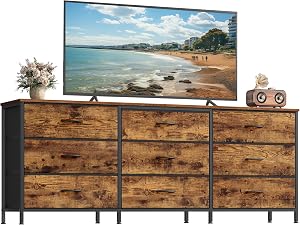
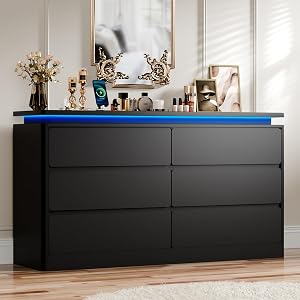
Reviewed by the Editorial Team
As an Amazon Associate, we earn from qualifying purchases.
Finding the right how to organize a small bedroom with dressers comes down to matching watt-hours to your actual power needs.
Last Updated: June 2026 — Written by the Editorial Team
If you've ever stood in the doorway of a small bedroom, surveyed the chaos, and quietly wondered whether you'd accidentally moved into a storage unit with a mattress in it — welcome. You're in exactly the right place.
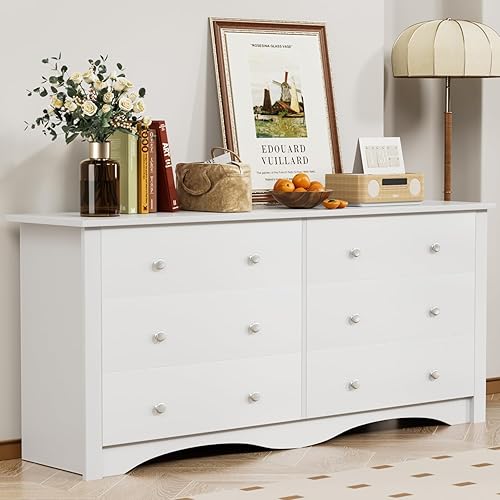
After months of rearranging a cramped 9x10 guest room and a stubborn 8x11 apartment bedroom (and yes, more than a few late-night furniture-shuffling regrets), I've landed on a layout system that genuinely works. The best part? It has almost nothing to do with buying those photogenic "organizers" you keep getting served on Instagram.
This guide walks through the actual steps I used, the small-bedroom storage ideas that survived real life, and the nightstand organization tips I wish someone had whispered in my ear before I dropped serious money on a 24-inch-wide nightstand that promptly swallowed my entire wall.
- A measurement-first system that prevents costly furniture mistakes
- The exact dresser dimensions that work in rooms under 100 sq ft
- A nightstand setup that actually reduces clutter (instead of hiding it)
- Real-world layouts tested in cramped 9x10 and 8x11 rooms
- The five most expensive mistakes — and exactly how to dodge them
The Brutal Truth About Small Bedrooms (And Why Most Advice Falls Flat)
Here's the thing nobody tells you: most small-bedroom advice assumes you have an empty room and an unlimited budget. You don't. You probably already own a bed, a dresser that's slightly too big, and a nightstand with one wobbly drawer that squeaks when you open it at 2 a.m.
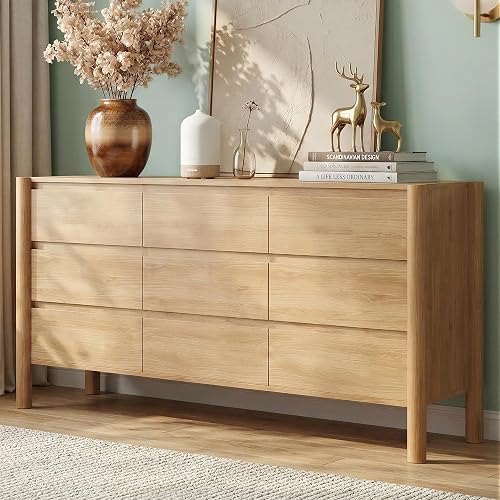
The real problem in a small bedroom isn't square footage — it's vertical waste.
(the part everyone obsesses over)
above the 32-inch mark
The second silent killer? Furniture that's just slightly too big. Not catastrophically oversized — just two or three inches too wide, two or three inches too deep. Enough to ruin a walking path. Enough to make a drawer impossible to fully open. Enough to make the whole room feel like it's pressing in on you the moment you walk in.
A dresser that's three inches too deep doesn't just look wrong — it forces you to angle around it every single morning. Multiply that by 365 days a year, and you've built a low-grade frustration habit into your home.
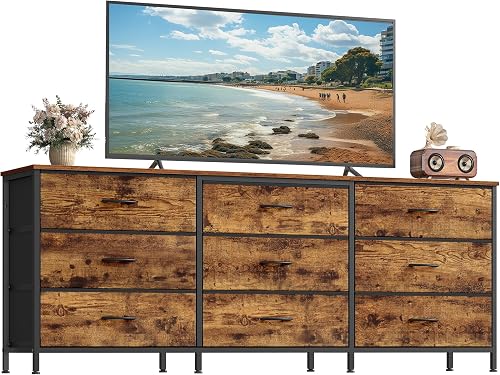
Step 1: Measure Twice. Then Measure Again. Then Tape It Out.
Before you buy a single thing, before you Google a single "small bedroom inspiration" board — grab a tape measure and a roll of blue painter's tape. This step alone will save you hundreds of dollars and at least one back injury from carrying furniture you'll have to return.
- Room dimensions — wall to wall, not floor to floor
- Door swing clearance — typically a 32-inch arc you can't block
- Window sill height — your dresser shouldn't fight your light
- Outlet locations — for lamps, charging, and the rare reading light
- Walking paths — minimum 24 inches, ideally 30, around the bed
Now take that painter's tape and outline every piece of furniture on the actual floor. Live with the tape for 48 hours. Walk through it in the dark. Stub your toe on it. You'll know within a day whether the layout works — and you'll have spent zero dollars learning it.
Watch This Before You Buy Anything
Visuals make this stuff click. Before we get into specific dresser dimensions and nightstand strategy, here's a quick walkthrough that pairs perfectly with everything below — small-space pros showing real rooms and real fixes.
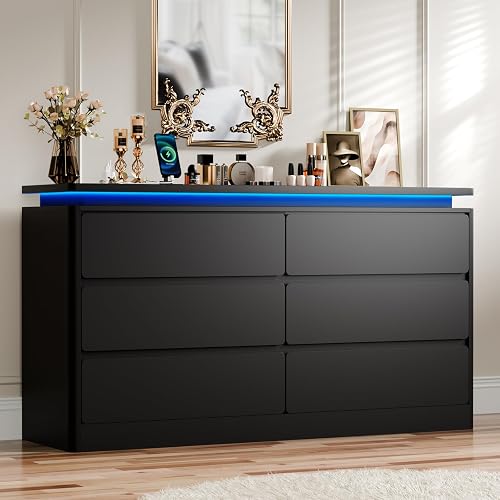
Step 2: Choose a Dresser That Disappears Into the Room
The single biggest small-bedroom mistake? Treating your dresser like it's a centerpiece. It isn't. In a small room, your dresser should fade — quietly storing your life without screaming for attention.
A tall, narrow dresser (think 30 inches wide, 54 inches tall) gives you the same drawer volume as a wide six-drawer chest — while taking up roughly half the wall. That's not a small win. That's the entire ballgame.
If your room has tall ceilings (8 feet or more), look for dressers in the 56-to-64-inch height range. The top becomes prime real estate for a small mirror, a plant, or a tiny lamp — and the eye reads the room as taller than it actually is.
Step 3: The Nightstand Command Center System
Most nightstands are graveyards. Phone, charger cable, half-empty water glass, three crumpled receipts, that book you'll "finish next week" — sound familiar?
The fix isn't a bigger nightstand. The fix is changing what your nightstand is for.
For a small room, target a nightstand that's 16 to 20 inches wide with at least one drawer and ideally a small cabinet below. Anything wider competes with the bed for visual space, and anything smaller forces you to pile things on the floor — defeating the entire purpose.
Step 4: Steal These Layout Tricks From Tiny-Home Designers
The Five Mistakes Almost Everyone Makes
A Quick Visual Walkthrough
If you're a visual learner (most of us are), this second video shows how a designer transforms a tiny bedroom using almost exactly the dresser-and-nightstand strategy outlined above. Watch how she handles vertical space — it's the same principle, applied with serious craft.
Putting It All Together: A 24-Hour Action Plan
The Bottom Line
A small bedroom isn't a punishment. It's a constraint, and constraints are how good design gets made. When you stop trying to fit a big-bedroom layout into a small-bedroom footprint — and instead lean into vertical storage, narrow dressers, intentional nightstands, and the quiet power of negative space — the room starts to work with you instead of against you.
Now go grab that tape measure. Your future, well-rested self will thank you.
Key Takeaways
- Choosing the right how to organize a small bedroom with dressers means matching capacity and output ports to your actual devices
- Always check actual watt-hours (Wh), not just watts — runtime depends on Wh, not peak output
- Also covers: small bedroom storage ideas
- Also covers: nightstand organization tips
- Also covers: compact dresser solutions
- Compare price-per-Wh across models to find the best value for your budget